Project
LEHO Element
Client
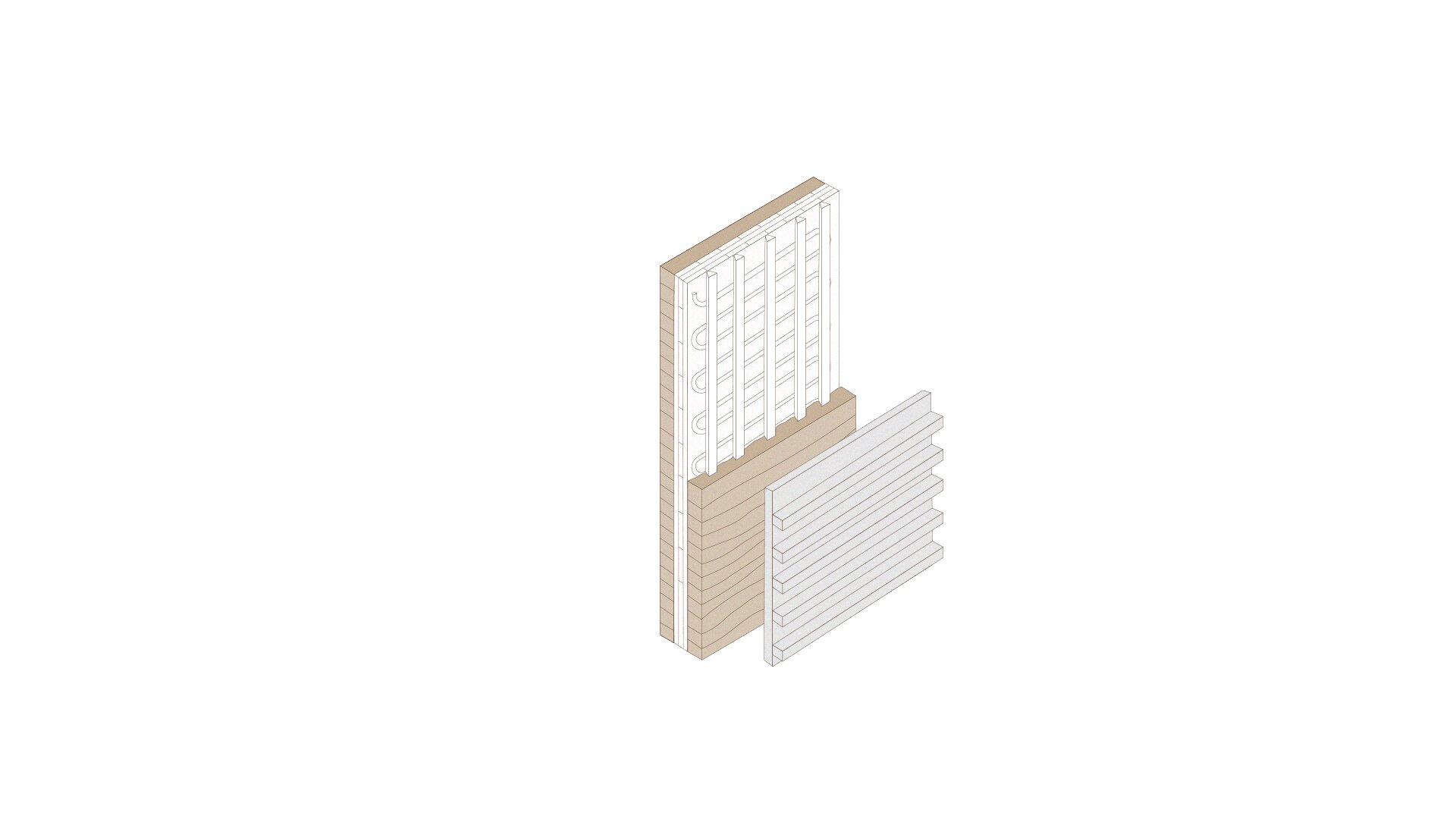
Holz und aufbereiteter Lehm werden alleine durch die verschiedenen Schwindverhalten der beiden Materialien zu einem vorgefertigten Verbundelement zusammengefügt. Das Holz bildet die tragende Struktur, während der Lehm unter anderem Brand- und Schallschutz, thermische Masse und eine sichtbare Oberfläche bereitstellt.
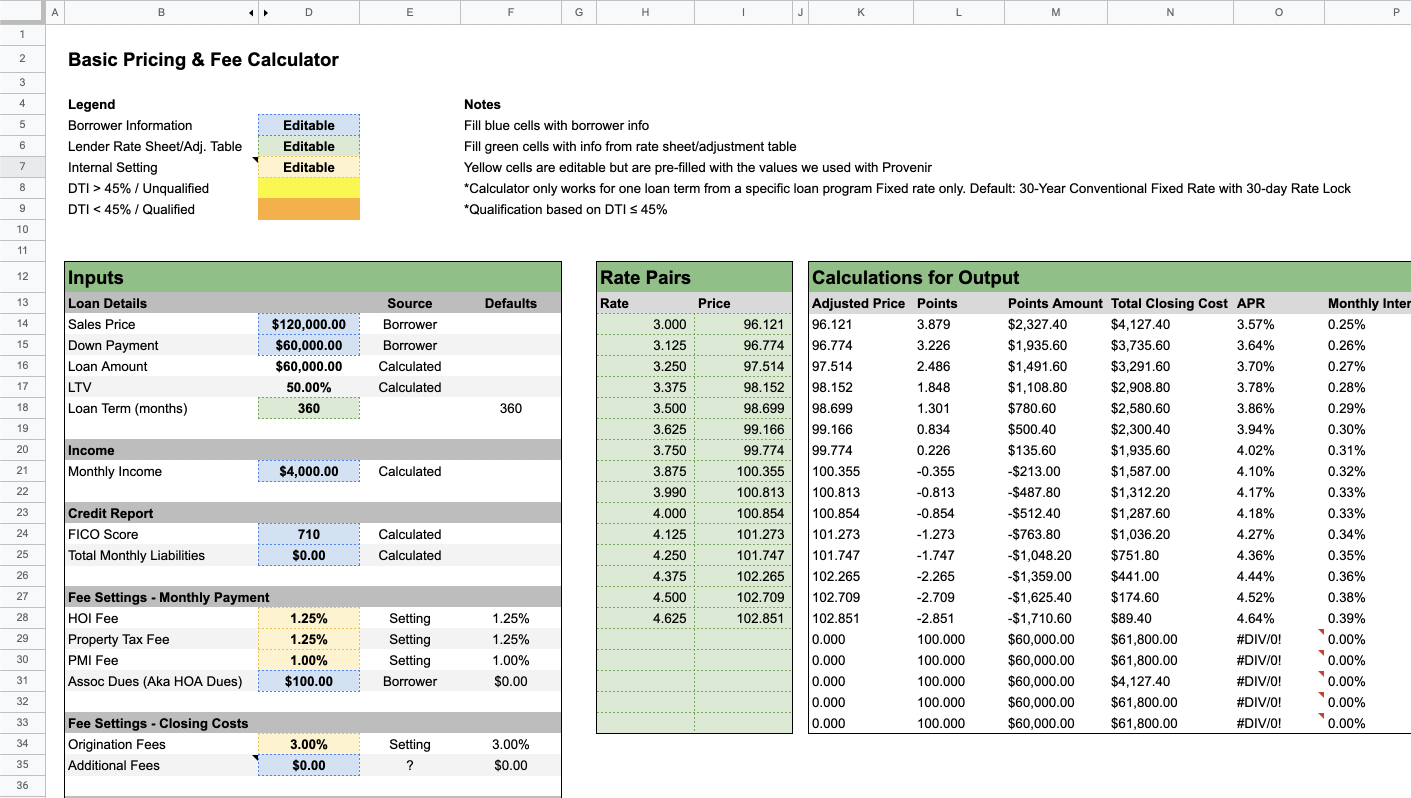
In the early stages, I established the high level information architecture and primary user flows for our users. We iterated on this over time as requirements and assumptions were validated.
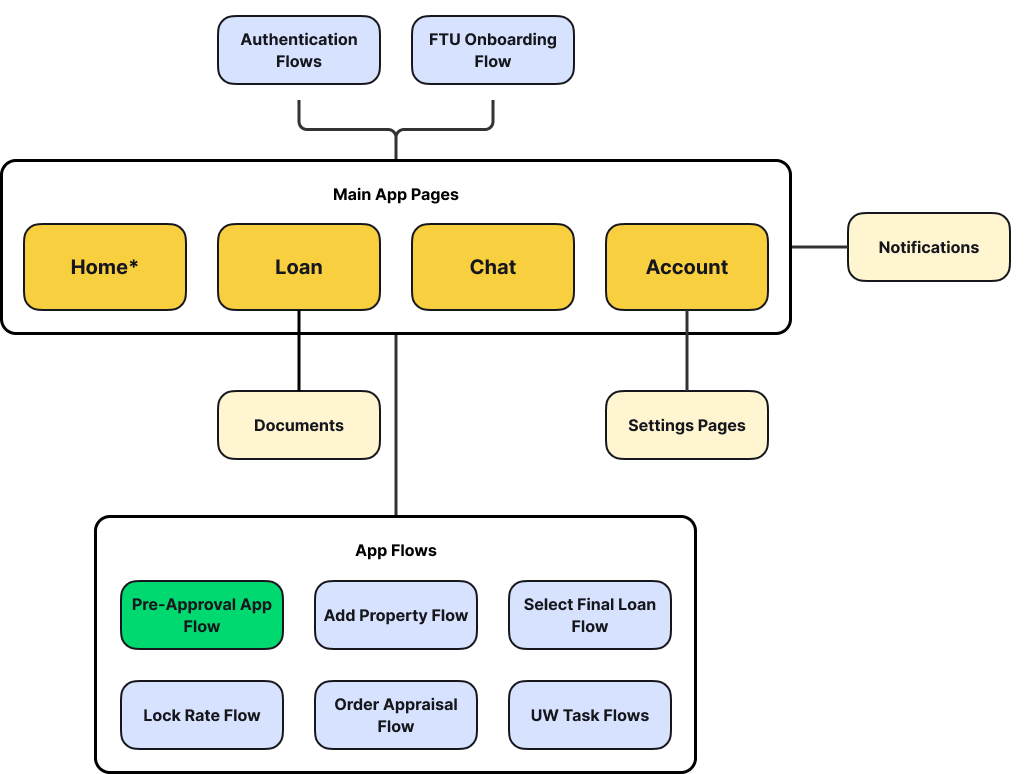
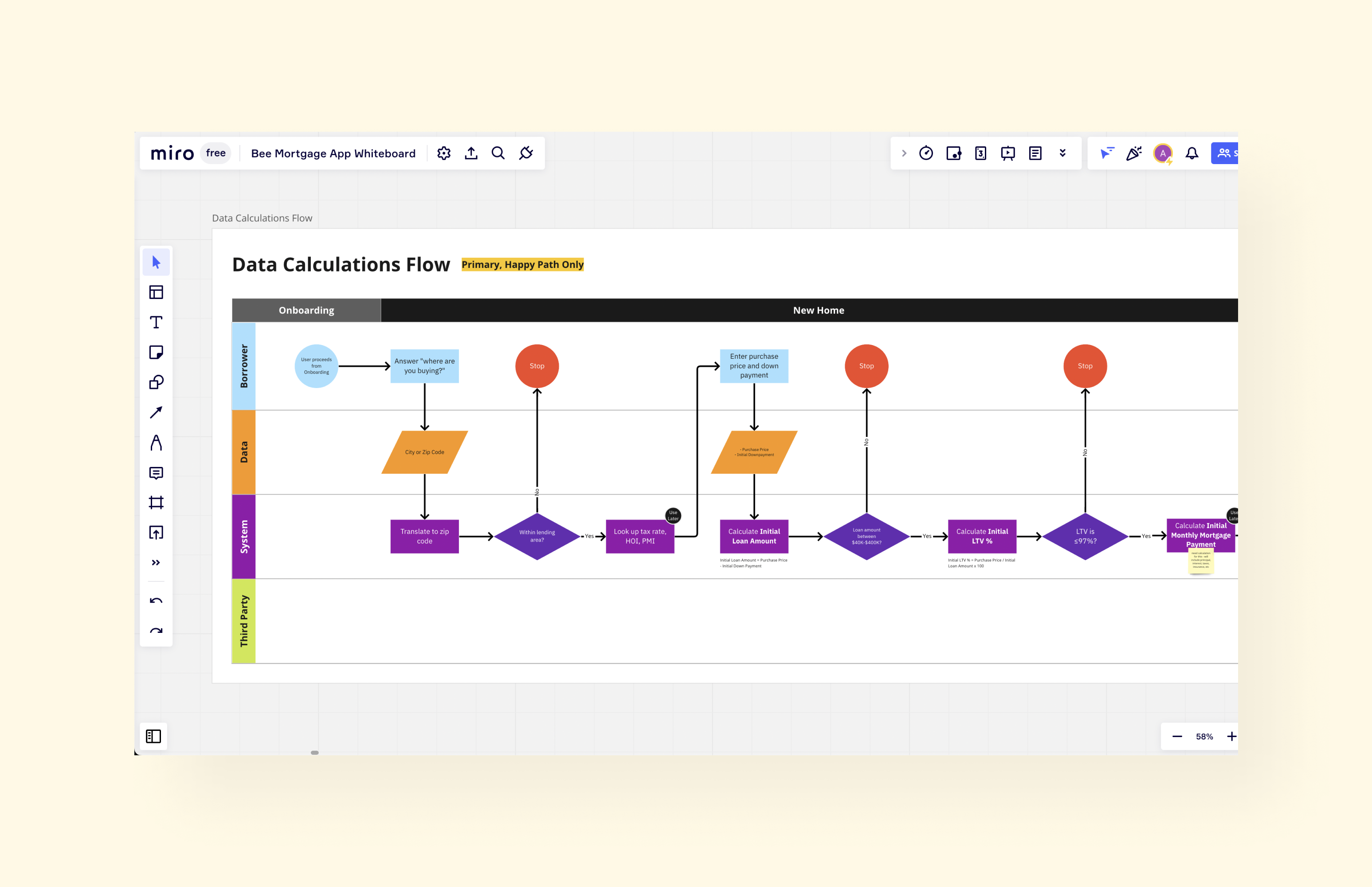
Before a product manager was brought on board, I maintained documentation and defined requirements for all aspects of the app. I worked in Excel, Miro, and Confluence as much as I worked in Figma to communicate not only how the app should look but also how it functioned to our team of developers.
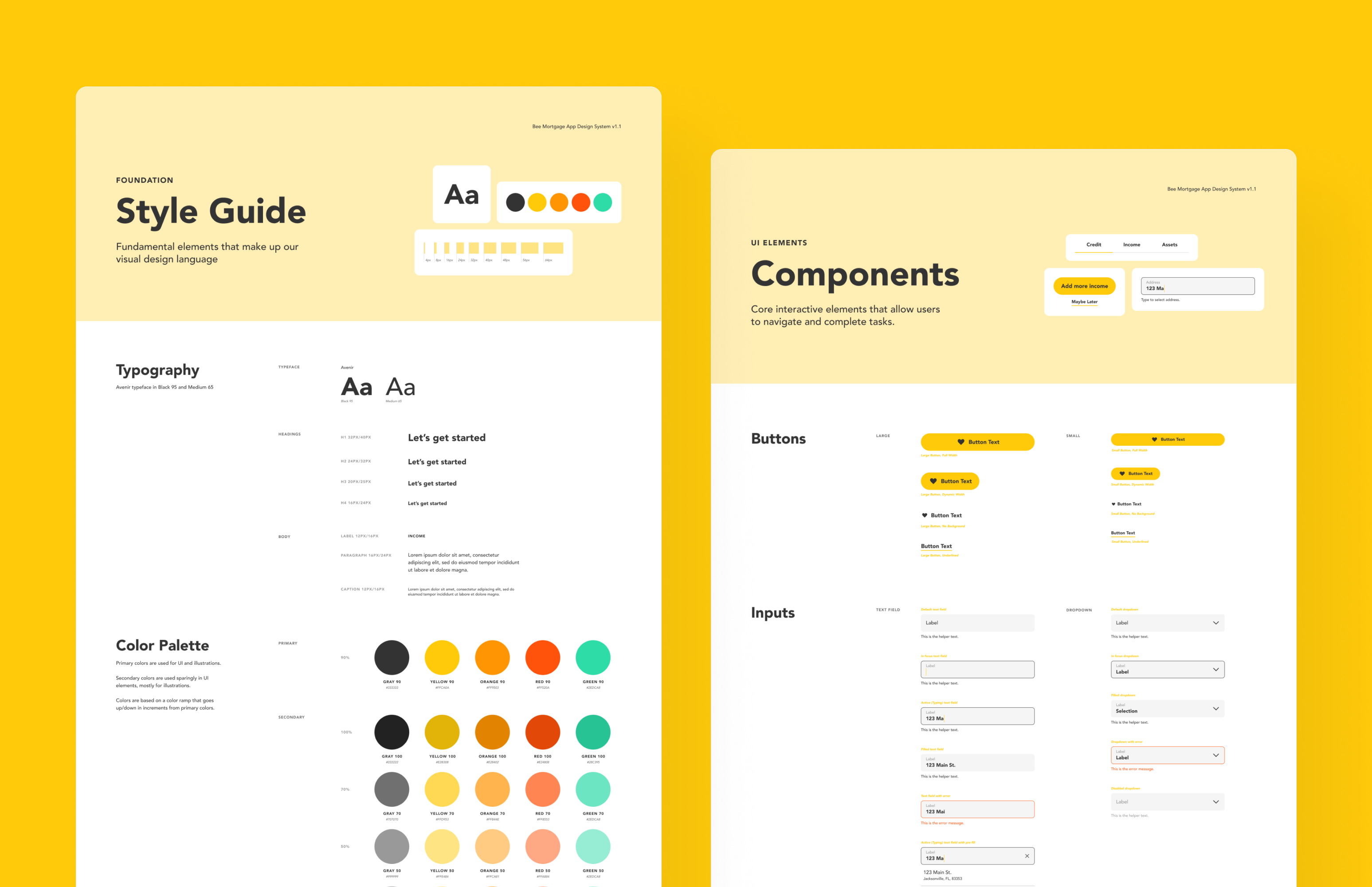
With growth and scalability in mind, I established a design system with the developers. This was not an easy task as we often wanted to code fast in the beginning, but the implementation of components and templates in the iOS app paid off further down the line.
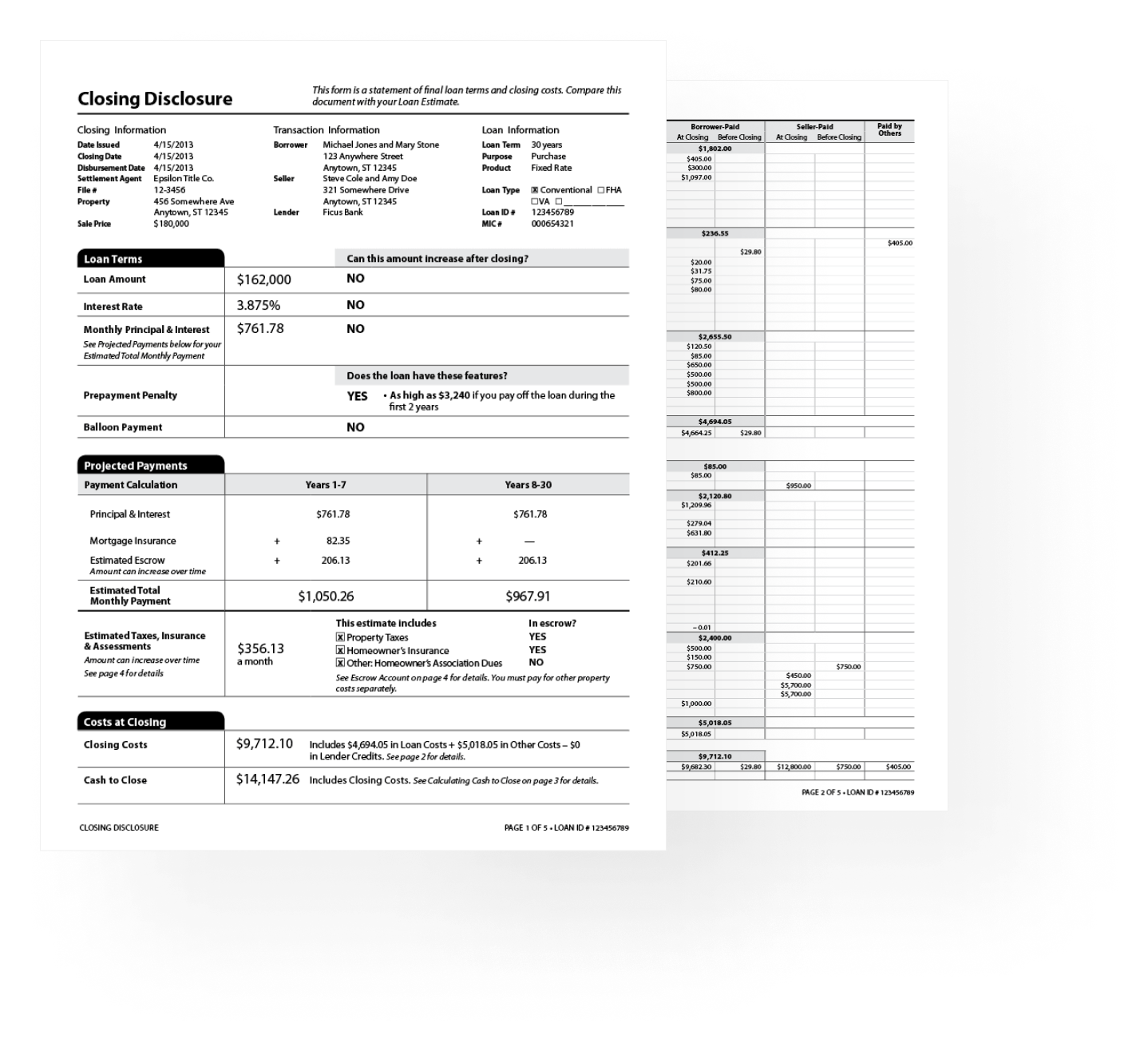
It was crucial to adhere to regulations when working in the fintech space. We made sure mortgage and security compliance was top of mind when defining requirements and also had regular design reviews with the legal team.
Solution & Impact
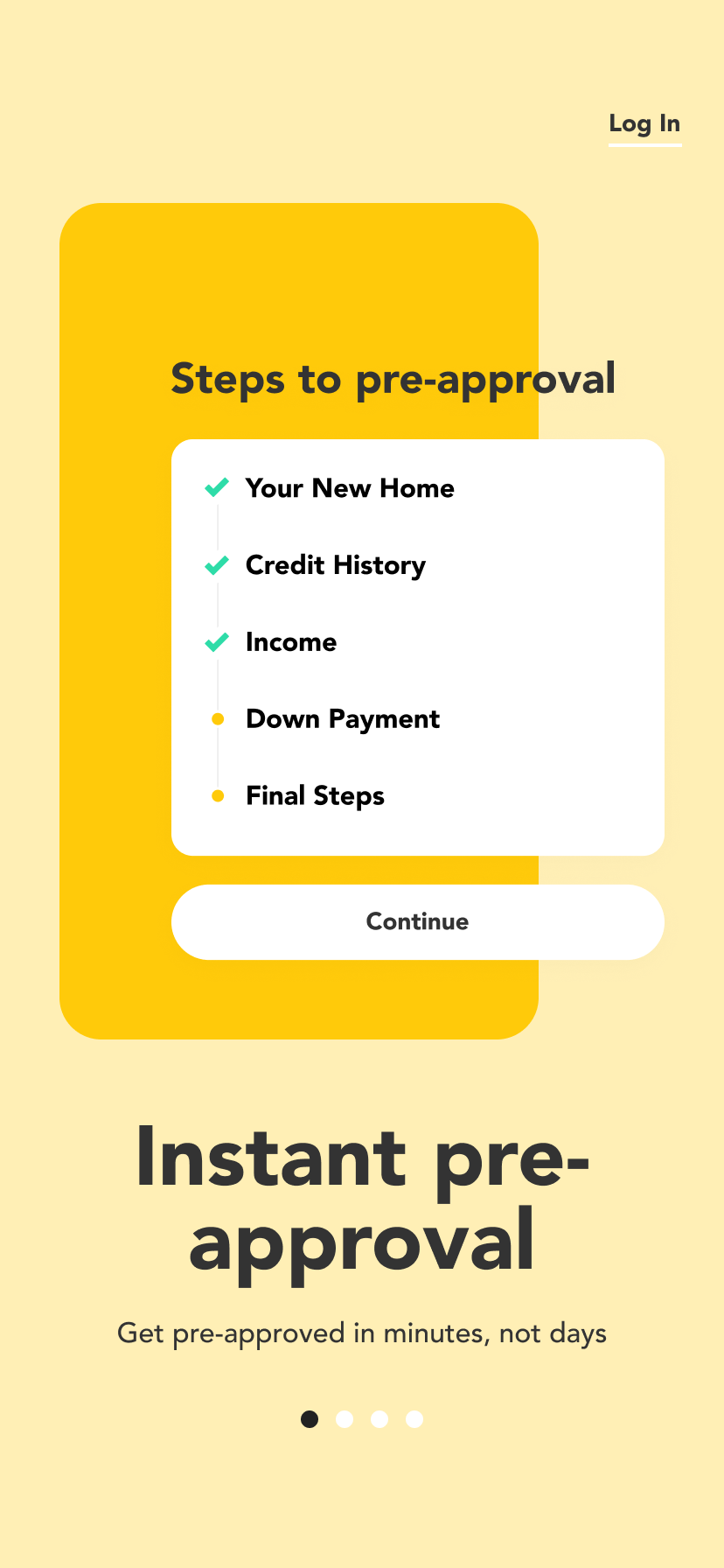
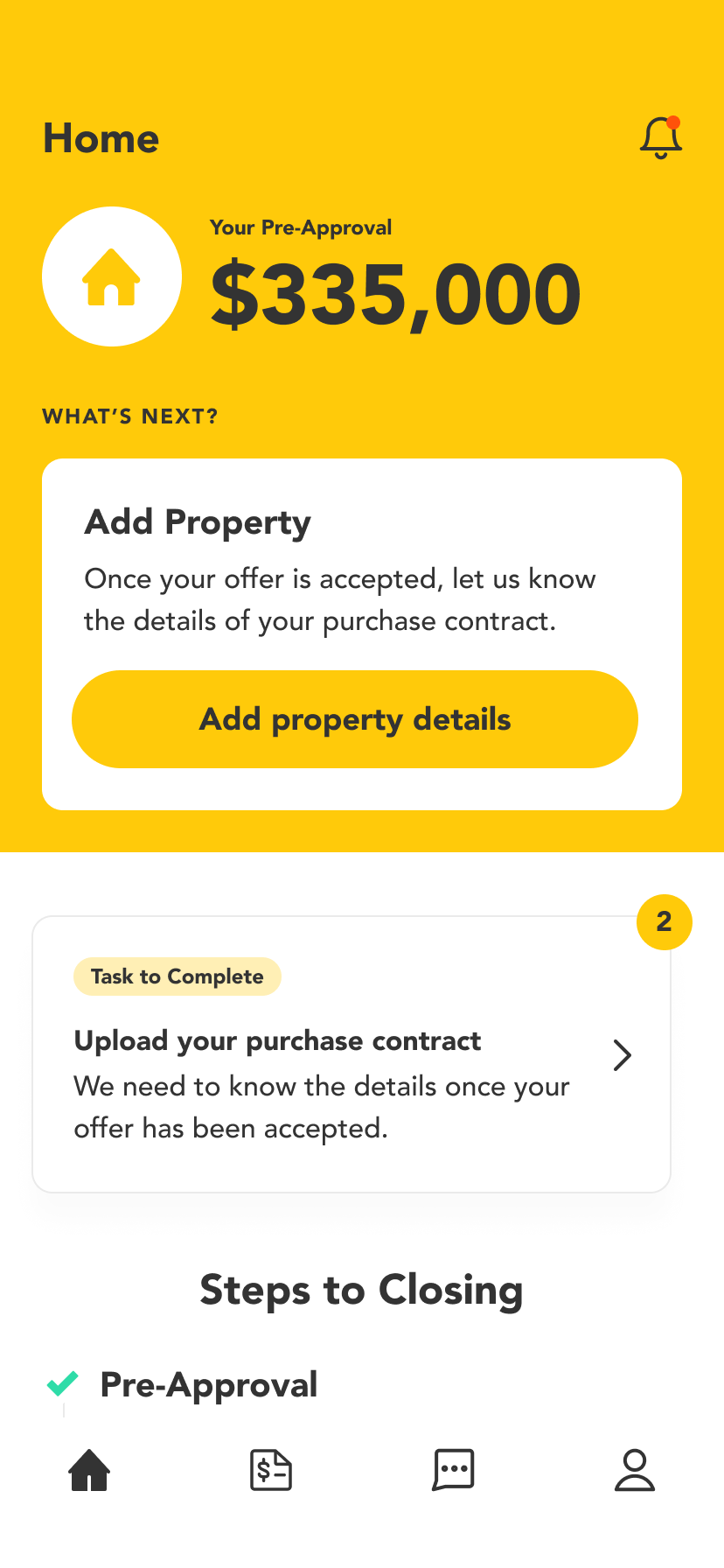
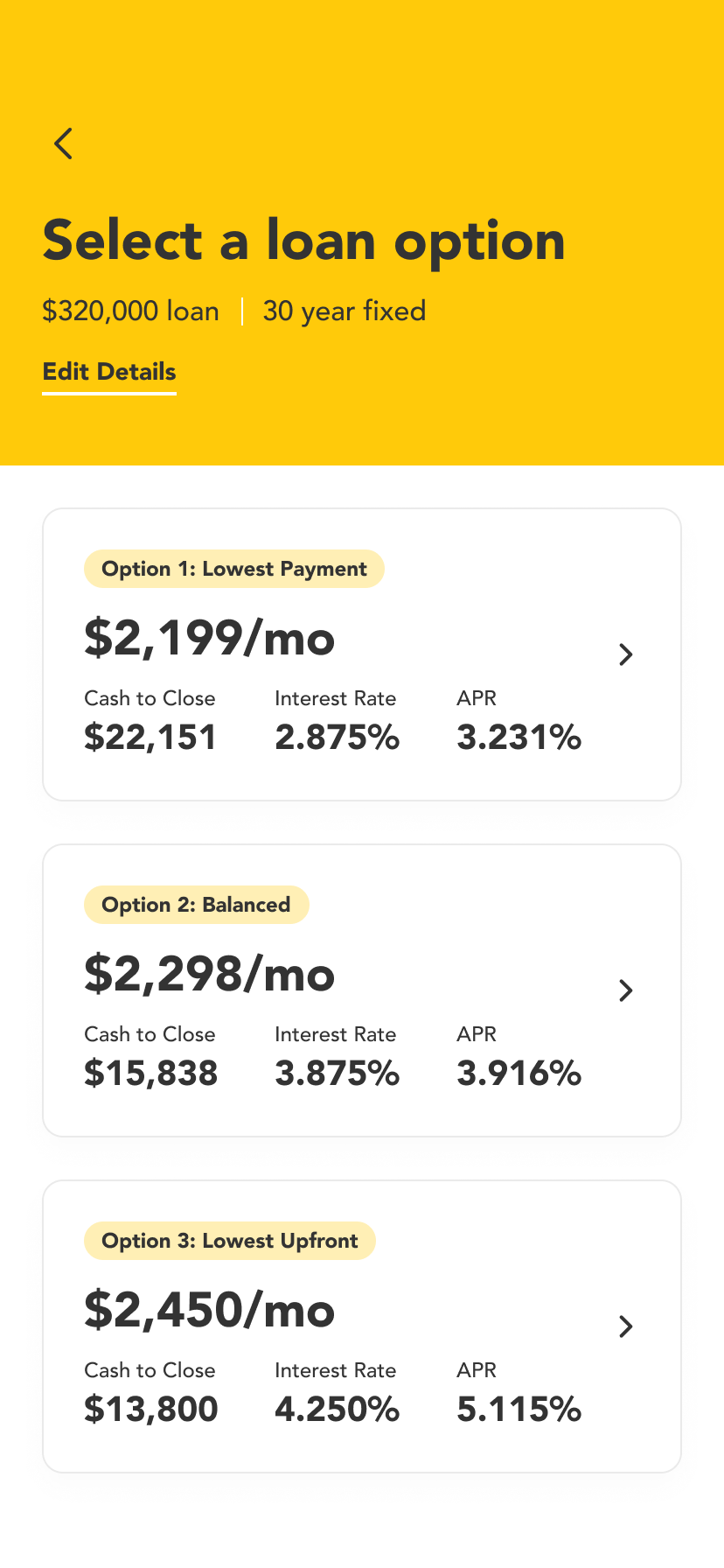
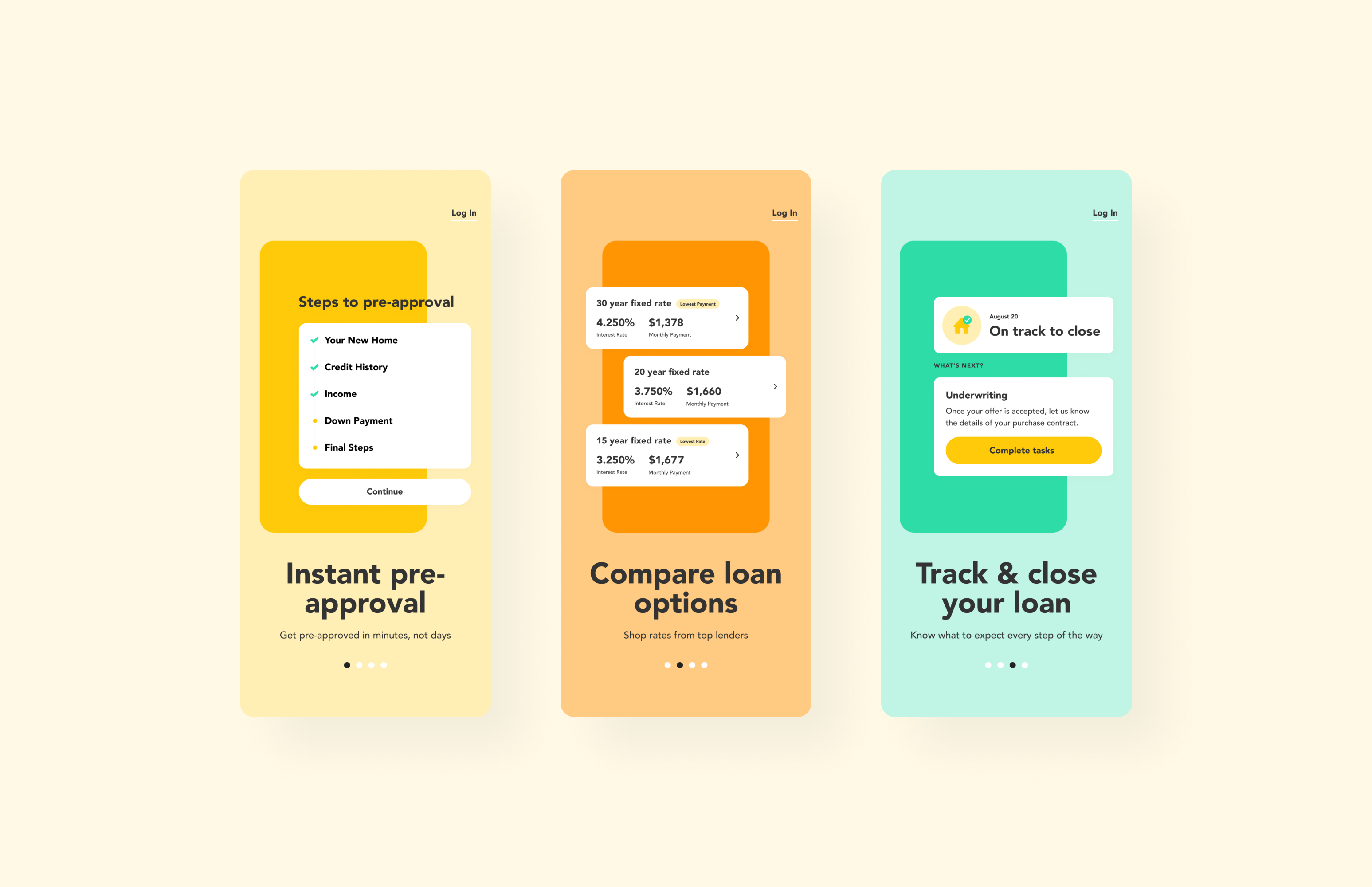
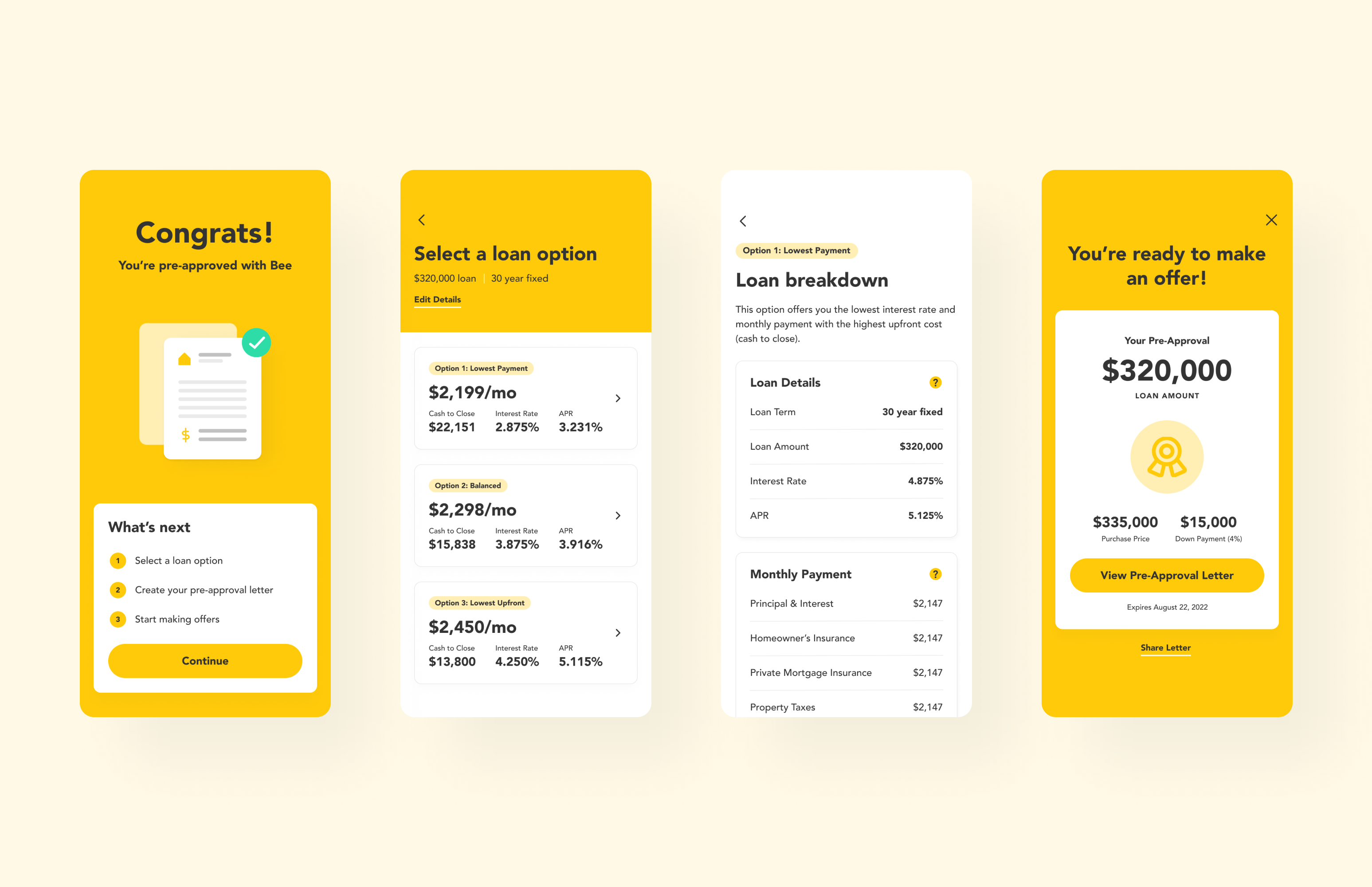
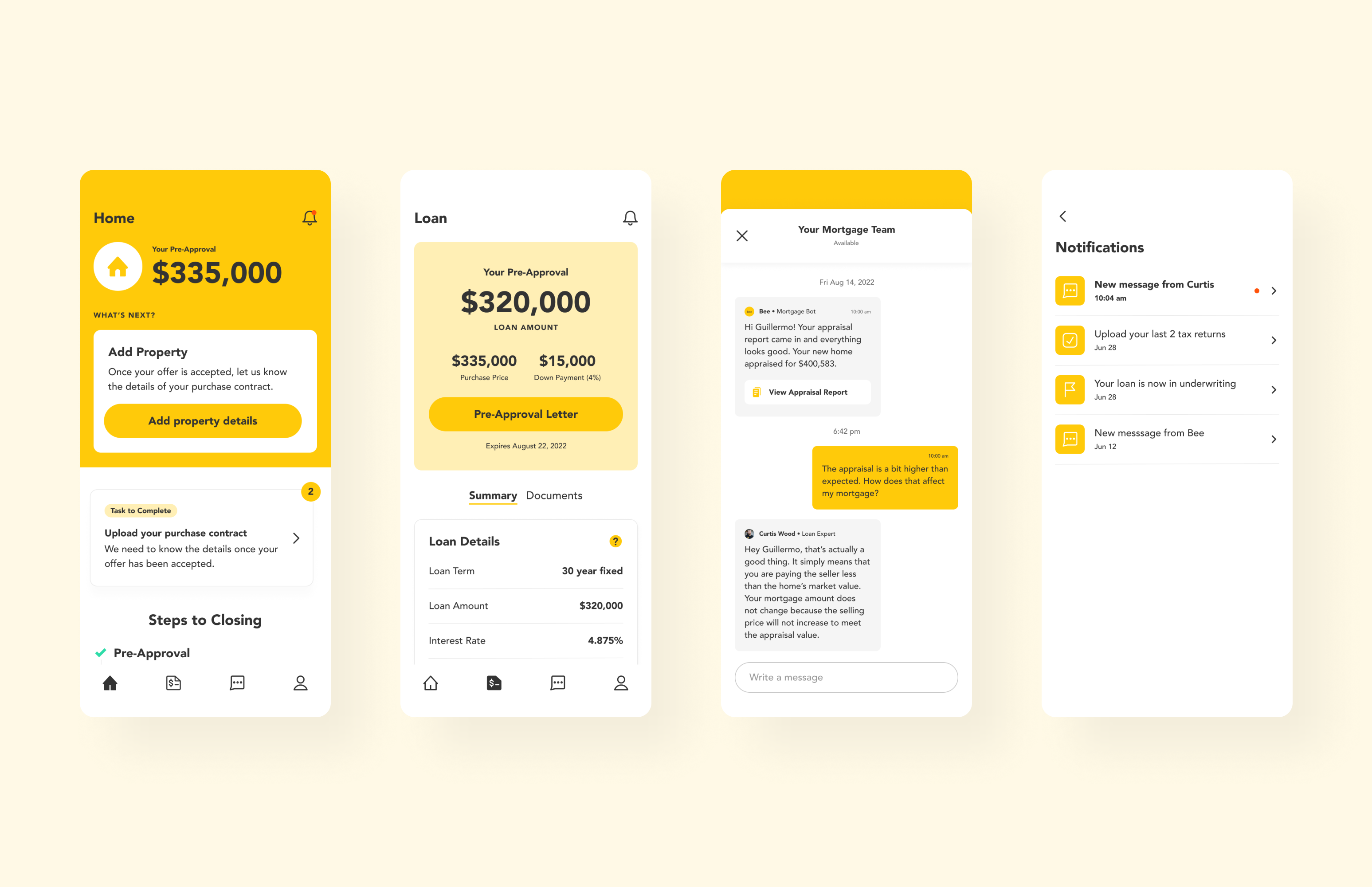
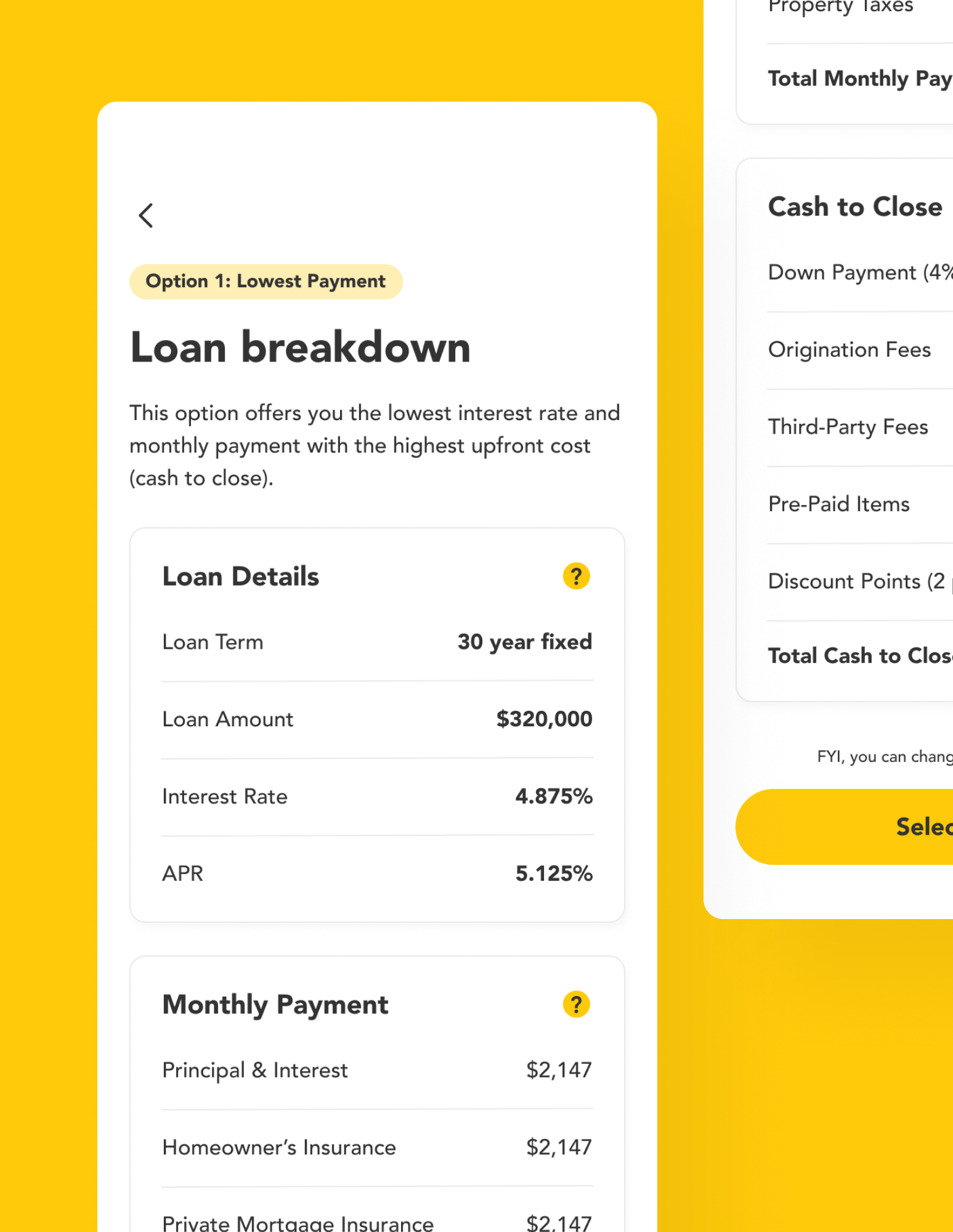
Version 1 release of the mobile app included the core features needed to support application through closing:
- Instant pre-approval with integration to third party data providers like Plaid
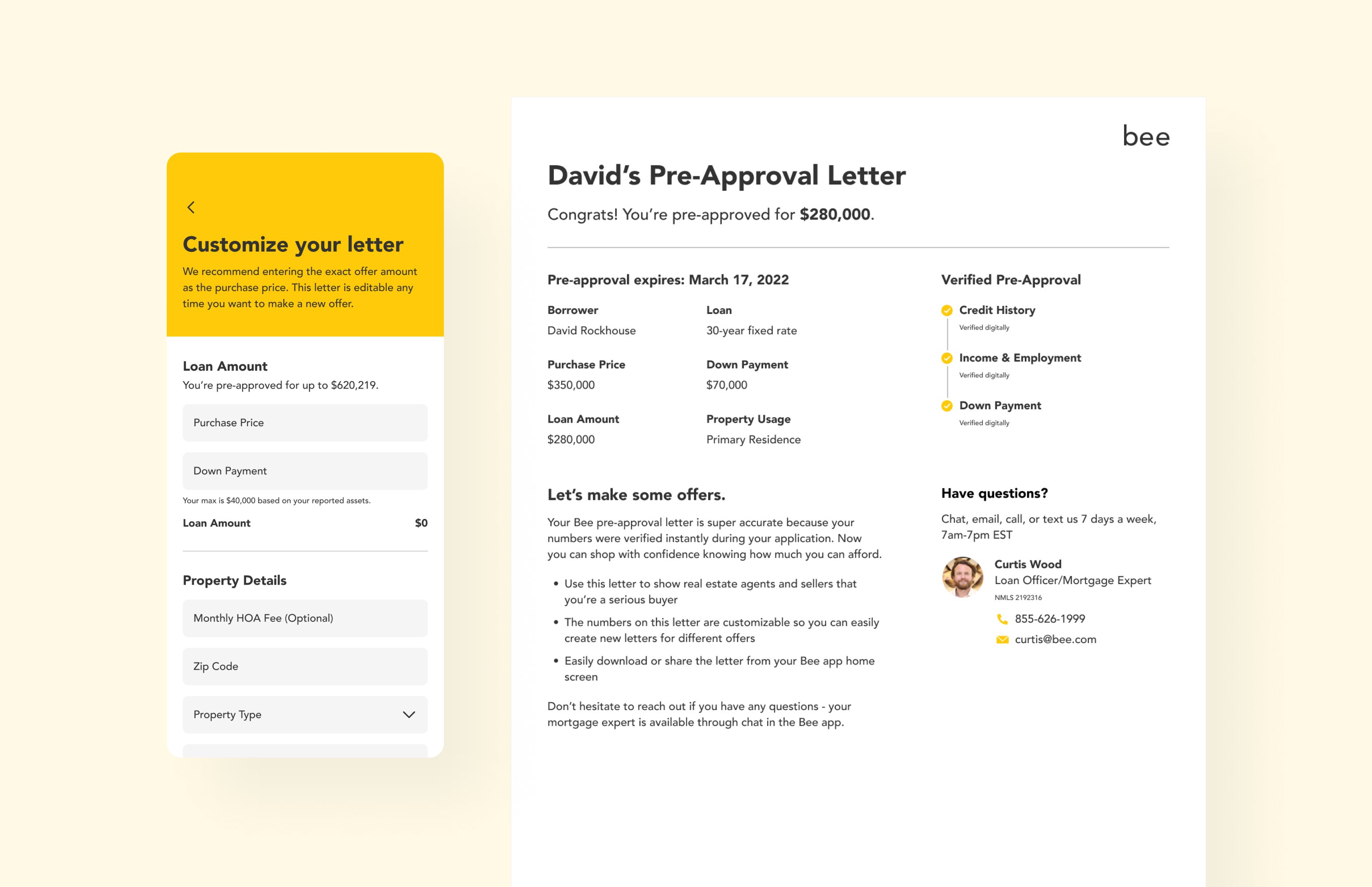
- Edit and customize your pre-approval letter
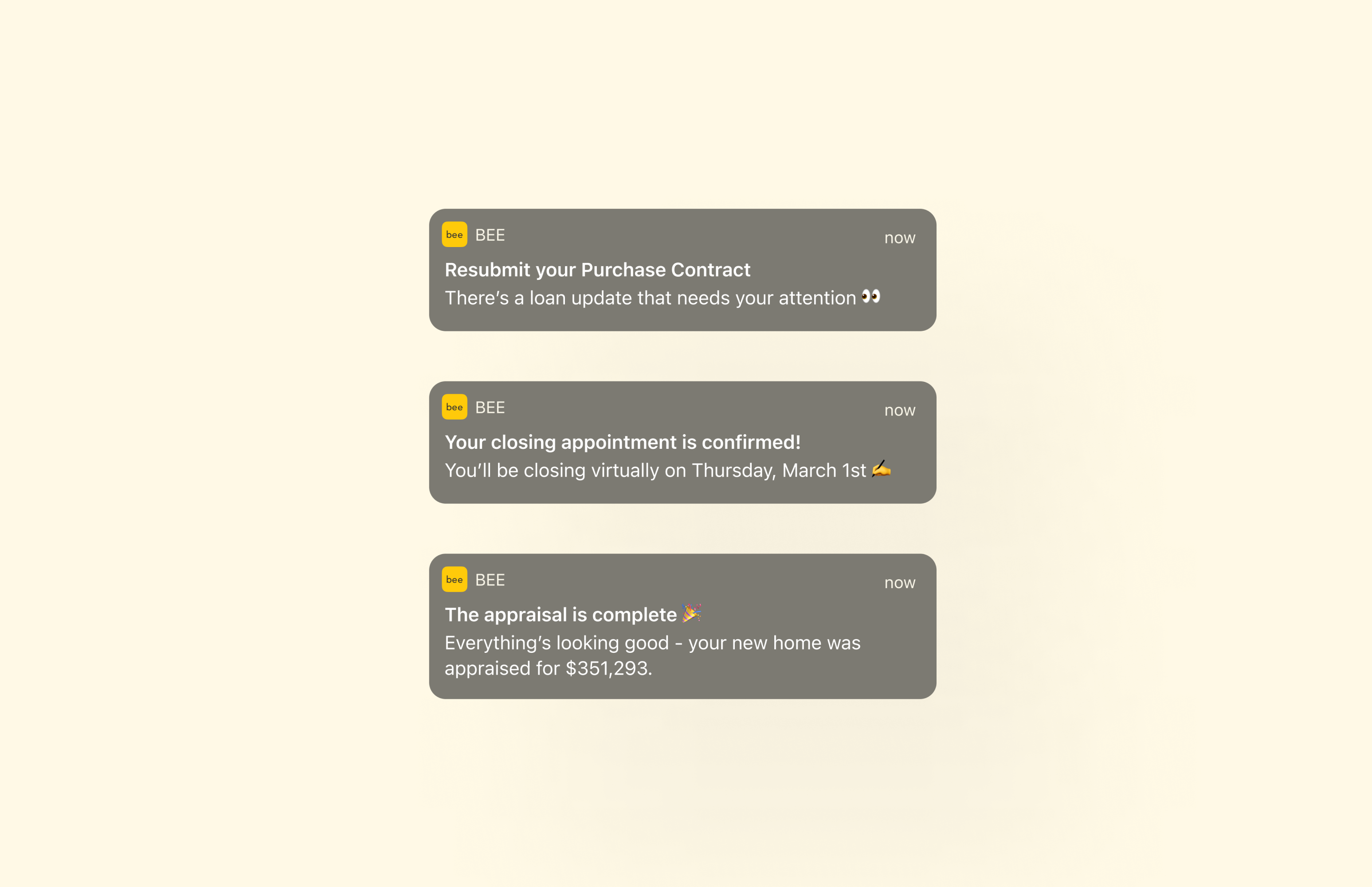
- Loan tracking with real-time updates
- Integrated chat support via Intercom
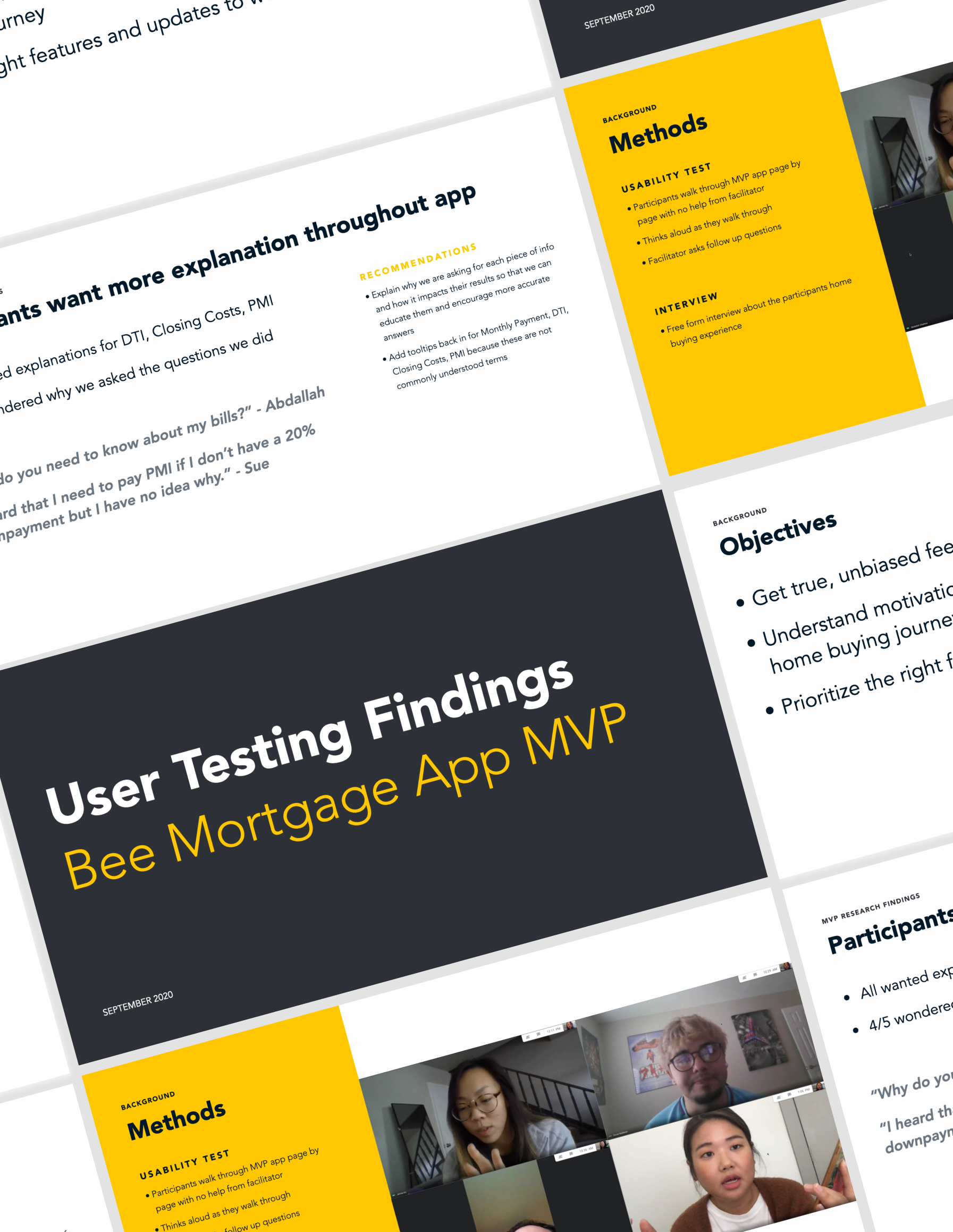
In the beginning of 2022, Bee launched the first version of the app to a beta audience in Florida. We pre-approved about a dozen customers and closed a handful of loans. The feedback we received from testing allowed us to improve not only the mobile experience, but nail down the operations and back-end processes that support the app.